
How Long Does a Roof Last in Georgia?
Understanding Roof Lifespan and When to Plan for Replacement
A roof is one of the most important components of any home or commercial building. It protects the structure from weather, moisture, and temperature changes. But like any part of a building, roofing materials don’t last forever.
If you live in Georgia, understanding the typical lifespan of a roof can help you plan for maintenance, repairs, or eventual replacement before major problems occur.
In this guide, we’ll break down how long different roofing materials typically last and the factors that can affect roof longevity.
Average Roof Lifespan by Roofing Material
Asphalt Shingle Roofs
Asphalt shingles are the most common roofing material used on residential homes.
Typical lifespan:
20–30 years
Factors that affect lifespan include:
Quality of shingles installed
Proper ventilation
Storm exposure
Installation quality
Architectural shingles may last longer than standard three-tab shingles.
Metal Roofs
Metal roofing systems are becoming more popular for both residential and commercial properties due to their durability.
Typical lifespan:
40–70 years
Metal roofs are known for:
Strong resistance to wind and hail
Low maintenance requirements
Long-term durability
Proper installation and protective coatings play a major role in longevity.
Flat Roof Systems (Commercial Roofing)
Many commercial buildings use flat or low-slope roofing systems such as TPO, EPDM, or modified bitumen.
Typical lifespan:
TPO: 20–30 years
EPDM: 20–30 years
Modified Bitumen: 15–25 years
These systems require routine inspections and maintenance to maximize lifespan.
How Georgia Weather Affects Roof Lifespan
Georgia’s climate can place additional stress on roofing materials. Homes and commercial buildings in the region experience:
High summer heat
Heavy rainstorms
Occasional hail
Strong winds
Humidity
Over time, these conditions can accelerate wear and tear on roofing materials.
This is why regular roof inspections are important for identifying problems early.
Signs Your Roof May Be Nearing the End of Its Life
Even if your roof hasn’t reached its expected lifespan, certain warning signs may indicate it’s time for repairs or replacement.
Watch for signs such as:
Missing or curling shingles
Granules collecting in gutters
Water stains on ceilings or walls
Sagging areas on the roof
Moss or algae growth
Frequent roof leaks
If you notice any of these issues, a professional inspection can help determine the condition of your roof.
How to Extend the Life of Your Roof
While roofs naturally age over time, proper maintenance can significantly extend their lifespan.
Here are a few simple steps that can help protect your roof:
Schedule Regular Roof Inspections
Professional inspections can identify small issues before they become expensive repairs.
Keep Gutters Clean
Clogged gutters can cause water to back up onto your roof.
Trim Overhanging Tree Branches
Branches can damage shingles during storms and drop debris onto the roof.
Address Small Repairs Quickly
Fixing minor problems early helps prevent structural damage.
When to Schedule a Professional Roof Inspection
Even if your roof appears to be in good condition, experts recommend having it inspected:
After major storms
If your roof is more than 15 years old
When buying or selling a home
If you notice any visible damage
Regular inspections help ensure your roof continues protecting your property.
Schedule Your Free Roofing Consultation
If you're unsure about the condition of your roof, a professional inspection can provide clarity.
First Class Roofing & Solar offers free roofing consultations for residential and commercial properties. Our team can evaluate your roof and provide honest recommendations for maintenance, repair, or replacement if needed.
📞 Call: (989) THE-GOAT
🌐 Visit: fcrsga.com
Protect your home or building by making sure your roof is ready to handle Georgia’s weather.
How to tell if your roof has storm damage
A Homeowner’s Guide to Identifying Roof Damage After Severe Weather
Severe storms can cause significant damage to your roof, even if everything looks normal from the ground. High winds, hail, heavy rain, and falling debris can weaken roofing materials and create problems that may not be immediately visible.
If storm damage goes unnoticed, small issues can quickly turn into expensive repairs or even full roof replacements. Knowing what signs to look for can help homeowners catch problems early and protect their property.
In this guide, we’ll explain the most common signs of storm damage and when it’s time to schedule a professional roof inspection.
7 Common Signs of Storm Damage on Your Roof
1. Missing or Loose Shingles
Strong winds can lift shingles from your roof or loosen them enough that they no longer properly protect your home.
Signs to look for include:
Shingles missing from sections of your roof
Shingles lying in your yard
Edges of shingles lifting or curling
Even a few missing shingles can expose the underlying roofing structure to water damage.
2. Hail Damage to Shingles
Hail can leave dents, cracks, or bruising on shingles. While some hail damage may look minor, it can significantly reduce the lifespan of your roof.
Common hail damage indicators include:
Dark spots on shingles
Small circular dents
Granules collecting in gutters
Granules protect shingles from UV damage, so when they are knocked loose, your roof becomes more vulnerable.
3. Water Stains on Ceilings or Walls
If water begins entering your home after a storm, you may notice stains on ceilings or interior walls.
These stains often appear as:
Yellow or brown discoloration
Peeling paint
Bubbling drywall
Interior water damage usually indicates that the roof has already been compromised.
4. Damaged Flashing
Flashing protects areas where the roof meets vents, chimneys, or skylights. Storms can bend, crack, or loosen flashing, allowing water to enter.
Signs of flashing damage include:
Visible gaps around roof penetrations
Rust or corrosion
Loose metal sections
5. Debris on the Roof
Falling tree branches or debris during storms can crack shingles or puncture roofing materials.
After severe weather, check for:
Branches on the roof
Impact marks
Areas where shingles appear flattened or broken
6. Clogged or Damaged Gutters
Storms can fill gutters with roofing granules, leaves, and debris. If you notice excessive granules in your gutters, it may indicate shingle deterioration.
Gutter problems can also lead to water pooling around your roofline.
7. Increased Energy Bills
A damaged roof can affect your home’s insulation and ventilation. If you notice rising heating or cooling costs after a storm, roof damage may be contributing to energy loss.
Why a Professional Roof Inspection Matters
Some types of storm damage are difficult to see without climbing onto the roof. Professional roofing contractors know what to look for and can identify problems before they become serious.
A professional inspection typically includes:
Evaluating shingles and roofing materials
Checking flashing and seals
Inspecting gutters and drainage systems
Identifying hidden structural damage
Early detection can help prevent costly repairs and extend the life of your roof.
When to Schedule a Roof Inspection
It’s a good idea to schedule a roof inspection if:
Your area recently experienced severe storms
You notice missing or damaged shingles
Water stains appear inside your home
Debris or branches fell onto your roof
Even if everything appears normal, a professional inspection can provide peace of mind and ensure your roof is still protecting your home.
Schedule Your Free Roof Consultation
If you suspect your roof may have been damaged by a recent storm, a professional inspection can help determine the condition of your roof.
First Class Roofing & Solar provides free roofing consultations for residential and commercial properties. Our team can evaluate your roof and provide honest recommendations for repairs or replacement if needed.
📞 Call: (989) THE-GOAT
🌐 Visit: fcrsga.com
Protect your home by identifying roofing issues early before they turn into costly problems.
Welcome to First Class Roofing and Solar: Protecting What Matters Most
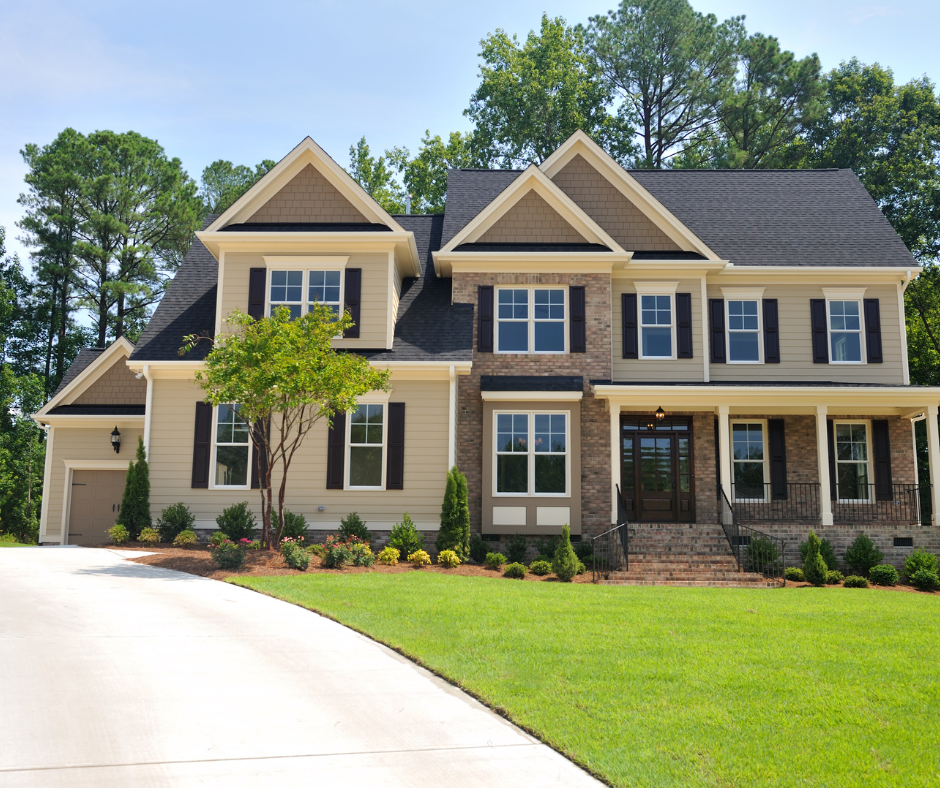
When it comes to your home, few things matter more than the roof over your head—and the energy powering your life inside it. At First Class Roofing and Solar, we believe homeowners deserve honest guidance, quality craftsmanship, and solutions built to last. That belief is what inspired us to start this company, and it’s what drives everything we do today.
More Than a Roof — Peace of Mind
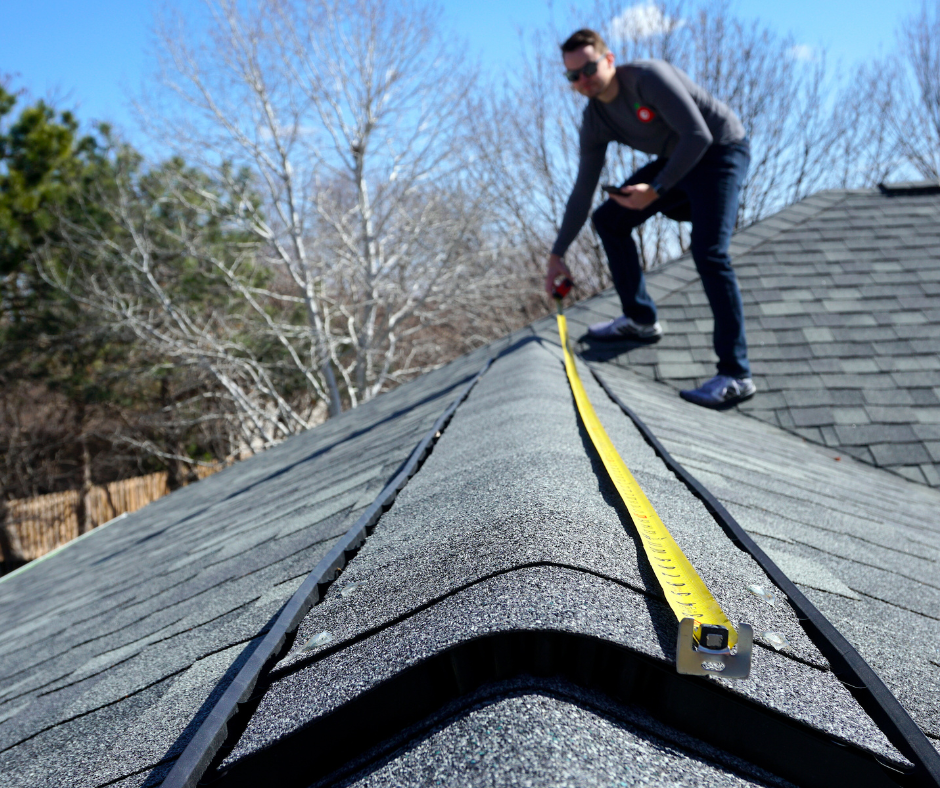
Your roof isn’t just shingles and nails. It’s protection for your family, your belongings, and your future. Unfortunately, roofing problems often go unnoticed until they become costly emergencies.
That’s why we focus on:
Thorough inspections
Clear, straightforward communication
No-pressure recommendations
Long-term solutions, not quick fixes
If your roof is in great shape, we’ll tell you. If it needs attention, we’ll explain your options clearly—so you can make the best decision for your home and budget.
Built on Trust, Backed by Experience

We know inviting a contractor to your home requires trust. That’s why we treat every project—big or small—with the same care and attention we’d give our own homes.
Our commitment includes:
High-quality materials
Skilled, experienced crews
Timely project completion
Respect for your property and time
We’re proud to serve our community and build long-term relationships with the homeowners we work with.
Let’s Get Started — No Pressure, No Obligation
Whether you’re concerned about storm damage, planning ahead, or curious about solar, we’re here to help you explore your options confidently.
👉 Schedule a free roof inspection or solar consultation today
Thank you for trusting First Class Roofing and Solar. We look forward to protecting—and powering—your home for years to come.